Gupa: A Floral Decorative Font for Handmade Brands
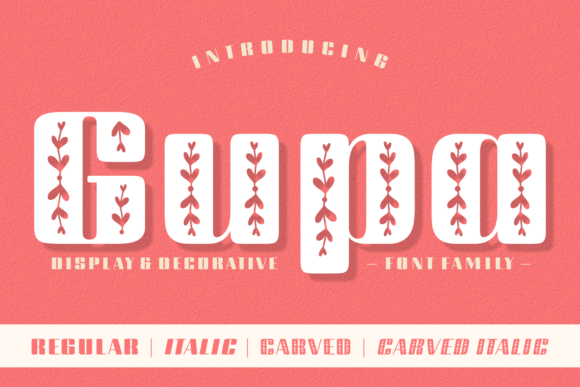
The morning light was just hitting my workbench when I opened the file for Gupa. I had been struggling to find the right touch for a new line of soy candle labels. The wax was poured, the scents were blended, but the branding felt flat. Then, I typed out "Lavender Dream" in this new decorative typeface, and suddenly, the design bloomed. It wasn't just text anymore; it was a garden. Each character in Gupa comes adorned with sweet little flowers, turning simple words into pure works of art without needing extra clipart or complex layering in my design software.
As a maker, finding a font that does the heavy lifting for you is a game-changer. Gupa is one of those rare fonts that instantly elevates the perceived quality of a product. When I applied it to my mockup, the label didn't look like something I slapped together in five minutes; it looked like a boutique item ready for a high-end shelf. The visual personality of this typeface is undeniably charming, whimsical, and soft. It carries a mood of gentle celebration, making it perfect for products that are meant to feel special, personal, and handmade.
Bringing Designs to Life on Physical Products
The true test of any creative asset is how it translates from the screen to physical materials. With Gupa, the transition is seamless. I immediately started testing it on various substrates. For candle labels, the floral details added a texture that complemented the natural look of kraft paper stickers. When printed on glossy vinyl for water bottles or mugs, the crisp lines of the flowers held up beautifully, ensuring that the design remained clear even at smaller sizes.
Beyond candles, this font shines in the world of greeting cards and wedding invitations. Imagine a save-the-date card where the couple's names are written in Gupa; the built-in florals act as a natural border, reducing the need for additional graphic elements. It creates a cohesive look that feels intentional and polished. For those running an Etsy shop or a local boutique, using Gupa on packaging design elements like thank-you cards or tissue paper seals can create a memorable unboxing experience. Customers notice these details. They signal that care went into every step of the creation process.
I also experimented with Gupa on fabric. Using heat transfer vinyl for tote bags and shirts, I found that the font works best for short phrases, names, or titles. Because it is a display font, it commands attention. A tote bag saying "Flower Power" or "Garden Party" in Gupa becomes a statement piece. However, for longer blocks of text, such as ingredient lists or detailed product descriptions, it is wise to pair it with a simpler typeface to maintain readability.
Strategic Font Pairing for Brand Identity
While Gupa is stunning on its own, understanding how to pair it with other fonts is crucial for a professional brand identity. Since Gupa is highly decorative and features intricate floral details, it needs a partner that doesn't compete for attention. I recommend pairing it with a clean sans serif font for body text. This contrast allows the flowers in Gupa to pop while keeping the informational text easy to read.
For a more romantic or vintage aesthetic, try combining it with a delicate script font or a classic serif font. This works exceptionally well for wedding stationery or planner pages where you want to evoke a sense of elegance. For example, use Gupa for the main header of a printable wall art piece, and a simple handwritten font for a motivational quote underneath. This layering technique adds depth to your design assets and shows a sophisticated understanding of modern typography.
Maximizing Readability and Production Value
When working with decorative fonts, especially those with added elements like flowers, readability is key. If you are designing small stickers or product tags that will be viewed from a distance, ensure the text is large enough for the floral details to remain distinct. When using cutting machines like Cricut or Silhouette, take a moment to weed carefully around the flower petals. The intricate nature of Gupa means that rushing the weeding process could tear the delicate parts of the letters.
For digital downloads, such as printable wall art or digital template previews, Gupa adds immediate value. Customers browsing online are drawn to visuals that feel complete. A listing image featuring Gupa often performs better because the font itself acts as an illustration. It stops the scroll. Whether you are creating seasonal craft designs for holidays or everyday items like boutique tags, the consistency of the floral theme helps build brand recognition. Over time, customers will associate those sweet flowers with your specific shop.
Licensing and Commercial Use Considerations
Before launching your new product line, always check the specific licensing terms included with your download. Most premium fonts like Gupa offer commercial licenses that allow you to sell physical end products like mugs, shirts, and signs. However, rules regarding digital templates or logos can vary. If you plan to create editable templates for other creators or use the font in a logo for a client, verify that the license covers these uses.
Additionally, explore the file formats provided. Having access to OTF or TTF files ensures compatibility with your favorite design software, whether you are using Adobe Illustrator, Procreate, or Canva. Check for multilingual support if you plan to sell internationally, and look for alternate characters or ligatures that might add extra flair to your logo design or social media graphics. Taking these steps ensures that your creative workflow remains smooth and legally sound.
In the end, Gupa is more than just a set of characters; it is a tool for storytelling. It allows makers to infuse their products with a sense of joy and nature. From the first sketch on the tablet to the final packaged item sitting on a store shelf, this font bridges the gap between a simple idea and a tangible work of art. By integrating Gupa into your workflow, you aren't just adding text; you are cultivating a garden in every design you create.