Tundra Font Review: Elevating Small Business Branding
Last Tuesday, I found myself staring at a stack of blank kraft paper boxes for a local artisan soap maker. She had spent months perfecting her lavender and oatmeal recipe, but her packaging looked like it was assembled in a hurry with a standard word processor font. It wasn't bad, exactly, but it lacked soul. It didn't tell the story of the care she put into every batch. We needed a typeface that felt organic yet structured, something that could stand up to the texture of the box while remaining legible on a small label. That is when we pulled up Tundra.
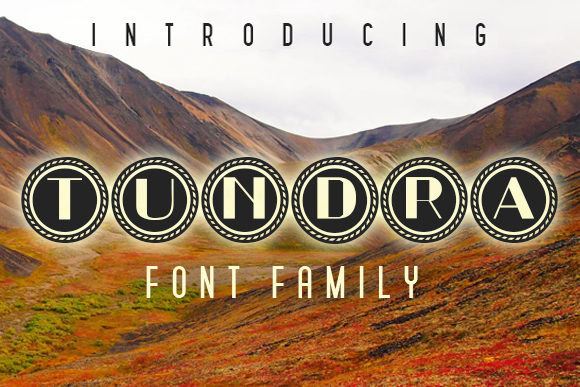
As a creative consultant, I see fonts as the voice of a brand before a customer even reads the first word. Tundra is an incredibly unique decorative font that manages to walk the fine line between rugged character and refined elegance. Masterfully designed to become a true favorite, this font has the potential to bring each of your creative ideas to the highest level. In the world of small business, where first impressions happen in split seconds on a crowded shelf or a scrolling social media feed, having a distinct visual identity is not just a luxury; it is a necessity.
Why Typography Matters for Your Product Labels
When you are running a boutique, a café, or an online handmade shop, your product labels are your silent salespeople. If the typography feels generic, customers subconsciously assume the product inside is generic too. Tundra changes that narrative. Its visual character suggests durability and warmth, making it an excellent choice for brands that want to appear trustworthy and established without feeling corporate or cold.
We tested Tundra on the soap maker's new labels, and the difference was immediate. The font's unique strokes added a layer of sophistication that made the product feel premium. It wasn't just text anymore; it was part of the design asset. For business owners considering a refresh, understand that switching to a high-quality display font like this can instantly elevate your perceived value. It tells the customer that you care about the details, which builds confidence in the quality of what they are buying.
Real-World Applications Beyond Packaging
While we started with packaging, the versatility of Tundra quickly became apparent. A strong brand identity relies on consistency across all touchpoints. Here is how this creative font can transform various aspects of your business materials:
- Logo Design: The distinct personality of Tundra makes it a standout candidate for logos, especially for businesses in the outdoor, craft, or artisanal sectors. It holds its own without needing excessive embellishment.
- Menu Boards: For café owners, using a decorative font for section headers can guide the eye and add atmosphere. Tundra offers enough weight to be read from a distance while maintaining its stylistic flair.
- Social Media Graphics: In the crowded space of Instagram and Pinterest, your posts need to stop the scroll. Using Tundra for promotional banners or quote graphics creates a recognizable visual hook that followers will start to associate with your brand.
- Thank-You Cards: Including a handwritten note is great, but printing a personalized message in a beautiful font adds a professional polish. Tundra works beautifully here to reinforce the brand experience after the purchase is made.
- Website Banners: On your online shop, the hero image needs to communicate your vibe instantly. This premium font ensures your web design feels curated rather than templated.
Readability and Practical Design Decisions
One of the biggest fears small business owners have when choosing a decorative style is readability. Will customers be able to read the ingredients list? Will the price be clear on a mobile screen? Tundra is primarily a display typeface, meaning it shines in headlines, short phrases, and titles. It is not ideally suited for long paragraphs of body text or tiny legal disclaimers.
The smart approach is to use Tundra for the emotional connection—the brand name, the product title, or the call to action—and pair it with a simpler font for the informational text. For example, on a candle jar, you might use Tundra for "Wildfire Scent" in a larger size, while using a clean sans serif font for the burn time and safety warnings below. This hierarchy ensures your design is both beautiful and functional. It guides the customer's eye to the most important information first while providing the necessary details in a readable format.
When designing for small labels or mobile screens, always test your mockups at actual size. What looks great on a large monitor might blur on a two-inch sticker. Tundra maintains its integrity well, but giving it breathing room is key. Do not crowd the letters; let the unique shapes of the characters speak for themselves.
Pairing Tundra for a Cohesive Look
Great design is often about contrast. Because Tundra has such a strong personality, it pairs exceptionally well with neutral companions. If you are building a modern typography system for your brand, consider these combinations:
- With a Clean Sans Serif: This is the safest and most effective route. A geometric sans serif balances the organic quirks of Tundra, creating a look that is contemporary and easy to digest. This works perfectly for tech-forward craft brands or minimalist boutiques.
- With an Elegant Serif: For a more traditional or luxury feel, such as a high-end skincare line or a wedding stationery business, pairing Tundra with a classic serif font adds a layer of editorial sophistication. It feels like something you would see in a glossy magazine.
- With a Handwritten Script: Use this sparingly. A subtle handwritten font can add a human touch to signatures or special notes, letting Tundra handle the heavy lifting of the main branding elements.
Final Checklist Before You Launch
Before you commit to using Tundra for your next big rebrand or product launch, there are a few practical steps to take. First, check the included styles and file formats. Does it come with the weights you need for different applications? Are there alternates or ligatures that allow you to customize the look further? These features can make your design assets feel unique rather than off-the-shelf.
Secondly, verify the licensing. As a small business owner, you must ensure you have the correct commercial font license. Whether you are printing thousands of packaging boxes, selling digital templates, or using the font in client work for an agency, the rules vary. Never assume a personal license covers commercial products. Protecting your business means respecting intellectual property.
Lastly, think about multilingual support if you plan to expand globally. A font that supports various character sets ensures your brand remains consistent no matter where your customers are located.
Updating your visual identity with a tool like Tundra is an investment in how the world perceives your hard work. It transforms a simple transaction into a brand experience. Whether you are refreshing a menu, updating your Instagram templates, or printing new tags for your boutique, the right typeface bridges the gap between what you sell and why people love it. By choosing a font with character and purpose, you aren't just decorating your products; you are telling your story with clarity and style.